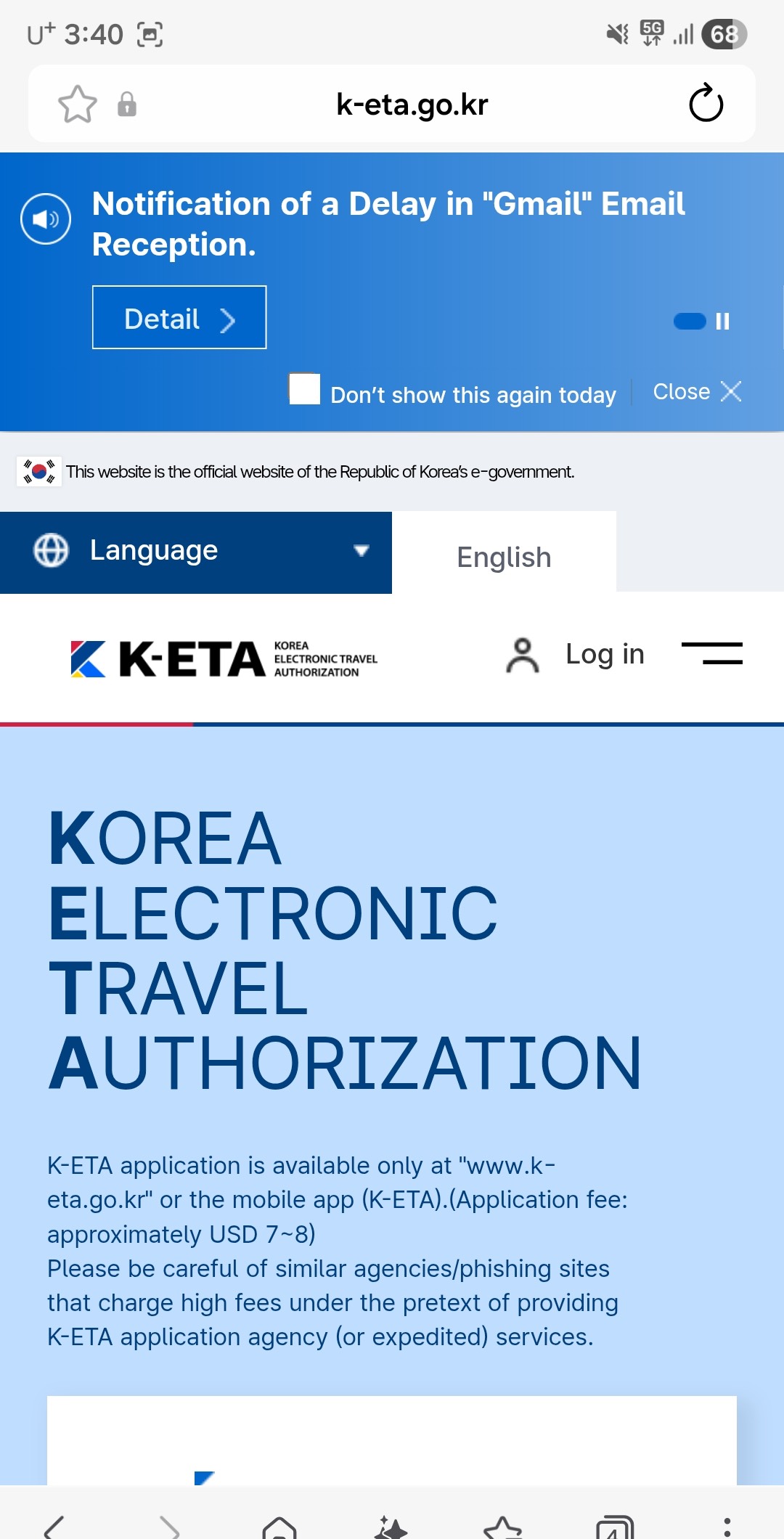
This guide is written in two parts. English first, Korean below. 이 글은 두 파트로 되어 있습니다. 영문이 먼저, 한국어가 아래에 있습니다.
PART 1 — ENGLISH
Search for Korea entry requirements and you will find plenty of pages telling you to register a Q-Code before you fly.
For most travellers in 2026, that is no longer true. Q-Code became mandatory during the pandemic and a lot of guidance never caught up.
Here is who actually needs it, who does not, and how to check your own case in about a minute — because the answer depends on where you are flying from, and that list changes every quarter.
1. The short answer
Korea sorts arrivals into two groups.
General quarantine inspection area — around 150 countries, including most of the US and most of China. If you are coming from one of these, you register a Q-Code only if you have symptoms of a monitored illness. Otherwise you do not need one at all.
Strict quarantine inspection area — around 25 countries. Arrivals from these must register a Q-Code or complete a paper health questionnaire on entry.
Most visitors fall into the first group and can stop reading here.
2. Who is in the strict group
As of the list effective July 1, 2026, the strict group covers roughly:
- Middle East — Bahrain, Iran, Iraq, Israel, Jordan, Kuwait, Lebanon, Oman, Qatar, Saudi Arabia, Syria, UAE, Yemen
- Africa — Democratic Republic of Congo, Ethiopia, Madagascar, Rwanda, South Sudan, Uganda
- Asia — Bangladesh, Cambodia, India, Mongolia, parts of China
- United States — New Mexico and Washington states
Four African countries were added in the July update because of an Ebola outbreak, which tells you how this list works: it responds to current outbreaks and is revised quarterly.
Do not trust the list above as current. It was accurate for the third quarter of 2026 and will be revised. Check the official source before you fly.
3. The transit trap
This is the part people miss.
It is not only about where you live — it is about where you are coming from, including stopovers. Transit through a country on the strict list and the requirement can apply to you even if you started somewhere else entirely.
If your itinerary routes through the Middle East or any listed country, check rather than assume.
4. How to check and register
The official portal is run by the Korea Disease Control and Prevention Agency:
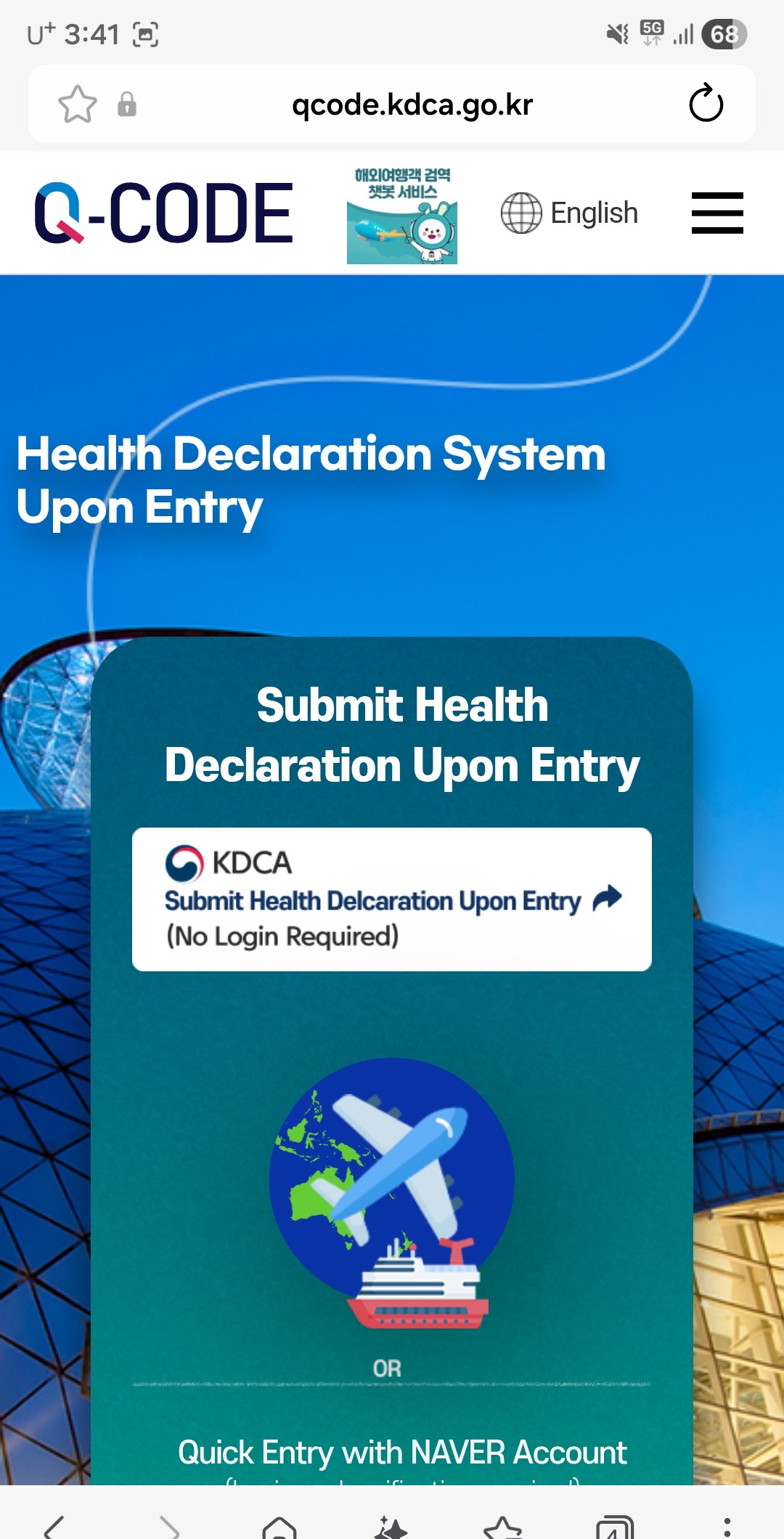
qcode.kdca.go.kr
- Register up to 7 days before your arrival
qcode.kdca.go.kr
- Register up to 7 days before your arrival
- At the airport quarantine checkpoint, show the QR code — printed or on your phone screen, either works
- If you would rather not register online, arrivals in the strict group can complete a paper health questionnaire on entry instead
Use the official site. As with K-ETA, third-party services will happily charge you for filling in a free government form.
5. If you have symptoms
Regardless of which group you are in: if you arrive with symptoms of a monitored illness, you register a Q-Code or declare at quarantine. That applies to arrivals from the general group too — it is the one case where the 150-country exemption does not help you.
This is a health measure, not paperwork. Declaring is the point of it.
6. Before you fly
- Most travellers do not need a Q-Code. Guidance saying otherwise is usually left over from the pandemic
- You need one if arriving from a strict quarantine area country — about 25 of them
- Stopovers count. Transiting a listed country can trigger the requirement
- The list is revised quarterly in response to outbreaks — check close to departure
- Official site: qcode.kdca.go.kr. Register up to 7 days ahead
- QR code on your phone is fine; no need to print
- Symptoms on arrival? Declare regardless of where you came from
PART 2 — 한국어
한국 입국 요건을 검색하면 출국 전에 Q-Code를 등록하라는 안내가 여럿 나옵니다.
2026년 현재 대부분의 여행자에게 그건 사실이 아닙니다. Q-Code는 팬데믹 기간에 의무가 됐고, 많은 안내가 그 뒤의 변화를 반영하지 못했습니다.
누가 실제로 필요한지, 누가 아닌지, 그리고 자기 경우를 1분 안에 확인하는 법을 정리했습니다. 답은 어디서 출발하는지에 달려 있고, 그 목록은 분기마다 바뀝니다.
1. 짧은 답
한국은 입국자를 두 그룹으로 나눕니다.
일반 검역관리지역 — 약 150개국으로 미국 대부분과 중국 대부분이 포함됩니다. 여기서 오는 경우 증상이 있을 때만 Q-Code를 등록합니다. 그렇지 않으면 아예 필요 없습니다.
중점 검역관리지역 — 약 25개국. 여기서 오는 입국자는 Q-Code를 등록하거나 입국 시 종이 건강상태질문서를 작성해야 합니다.
방문자 대부분은 첫 번째 그룹이고, 여기까지만 읽어도 됩니다.
2. 중점 관리 대상은 어디인가
2026년 7월 1일 시행 목록 기준으로 대략 이렇습니다.
- 중동 — 바레인, 이란, 이라크, 이스라엘, 요르단, 쿠웨이트, 레바논, 오만, 카타르, 사우디아라비아, 시리아, 아랍에미리트, 예멘
- 아프리카 — 콩고민주공화국, 에티오피아, 마다가스카르, 르완다, 남수단, 우간다
- 아시아 — 방글라데시, 캄보디아, 인도, 몽골, 중국 일부 지역
- 미국 — 뉴멕시코주, 워싱턴주
7월 개정에서 아프리카 4개국이 에볼라 유행을 이유로 추가됐습니다. 이 목록이 어떻게 작동하는지 보여주는 대목입니다. 현재의 유행 상황에 따라 분기마다 바뀝니다.
위 목록을 현재 기준으로 믿지 마세요. 2026년 3분기 기준이며 개정될 예정입니다. 출국 전에 공식 사이트에서 확인하세요.
3. 경유가 함정입니다
여기가 많이들 놓치는 부분입니다.
거주지가 아니라 출발지가 기준이고, 경유지도 포함됩니다. 중점 관리 국가를 경유하면 다른 곳에서 출발했더라도 요건이 적용될 수 있습니다.
여정이 중동이나 목록에 있는 나라를 거친다면, 짐작하지 말고 확인하세요.
4. 확인과 등록 방법
공식 포털은 질병관리청이 운영합니다.
qcode.kdca.go.kr
- 입국 7일 전부터 등록할 수 있습니다
qcode.kdca.go.kr
- 입국 7일 전부터 등록할 수 있습니다
- 공항 검역대에서 QR 코드를 제시합니다. 인쇄본이든 휴대폰 화면이든 상관없습니다
- 온라인 등록을 원치 않으면 중점 관리 대상 입국자는 입국 시 종이 건강상태질문서를 작성할 수도 있습니다
공식 사이트를 이용하세요. K-ETA와 마찬가지로, 무료 정부 서식을 대신 채워주고 돈을 받는 업체가 있습니다.
5. 증상이 있다면
어느 그룹이든 마찬가지입니다. 감시 대상 질환의 증상이 있는 상태로 입국하면 Q-Code를 등록하거나 검역대에서 신고합니다. 일반 그룹에서 오는 경우에도 적용되며, 150개국 면제가 도움이 되지 않는 유일한 경우입니다.
이건 서류 절차가 아니라 방역 조치입니다. 신고하는 것이 제도의 목적입니다.
6. 출국 전에
- 대부분의 여행자는 Q-Code가 필요 없습니다. 필요하다는 안내는 대개 팬데믹 시기의 잔재입니다
- 중점 검역관리지역 약 25개국에서 오는 경우에만 필요합니다
- 경유도 포함됩니다. 목록에 있는 나라를 거치면 요건이 생길 수 있습니다
- 목록은 유행 상황에 따라 분기마다 개정됩니다. 출발 직전에 확인하세요
- 공식 사이트 qcode.kdca.go.kr, 입국 7일 전부터 등록
- QR은 휴대폰 화면으로도 됩니다. 인쇄할 필요 없습니다
- 증상이 있다면? 출발지와 무관하게 신고하세요
함께 읽으면 좋은 글
- K-ETA 2026: 22개국은 면제 — 입국 전 또 다른 절차
- 인천·김포공항에서 서울 시내로 — 검역을 지나고 나서